
Large Mirrors in Interior Design: How Designers Use Them to Transform Spaces

Introduction
Large mirrors are one of the most powerful tools in interior design. Used by professional designers for decades, they have the ability to completely transform a space—adding light, depth, balance, and a sense of luxury that few other design elements can achieve.
Unlike smaller decorative mirrors, large wall mirrors command attention. They shape how a room feels, how light moves through it, and how spacious or intimate an interior appears. Whether placed in a living room, hallway, bedroom, or dining area, a well-chosen large mirror can redefine the entire atmosphere of a home.
In this in-depth guide, we explore how interior designers use large mirrors to transform spaces, where to place them, how to choose the right size and shape, and why handcrafted mirrors offer a superior finish for luxury interiors.
Why Interior Designers Love Large Mirrors
1. They Dramatically Increase Natural Light
Large mirrors reflect far more light than smaller mirrors. When positioned correctly—especially opposite windows or near light sources—they amplify daylight and brighten even the darkest rooms.
Designers often use oversized mirrors in homes with limited natural light to create a brighter, more welcoming environment without structural changes.
2. They Make Rooms Feel Bigger
One of the most well-known benefits of large mirrors is their ability to create the illusion of space. By reflecting walls, ceilings, and movement, they visually double the size of a room.
This makes large mirrors especially valuable in apartments, narrow hallways, and compact living areas.
3. They Create Architectural Impact
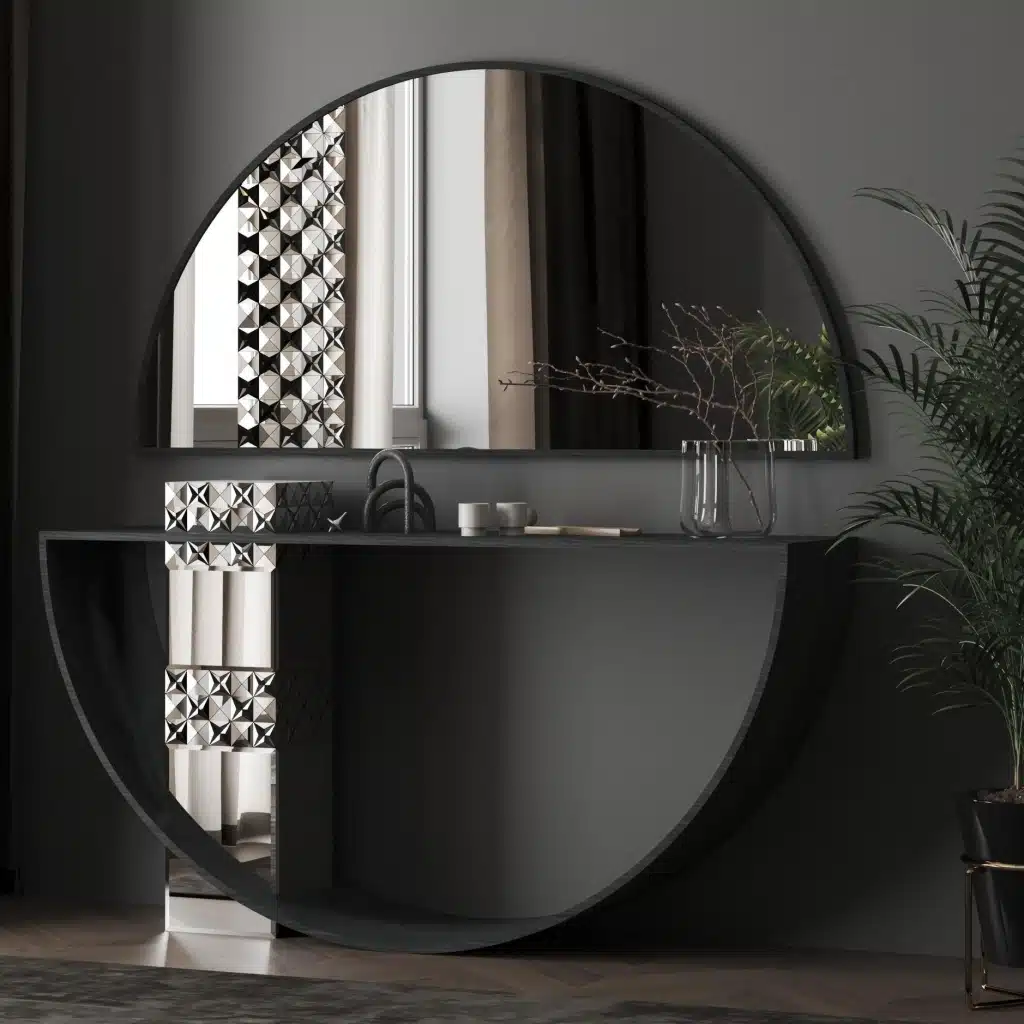
Large mirrors are not just decorative accessories; they act as architectural features. A tall arched mirror or an oversized rectangular mirror can introduce verticality, symmetry, and structure into a space.
Best Rooms for Large Mirrors
Living Rooms
In living rooms, large mirrors often act as statement pieces.
Designer tips:
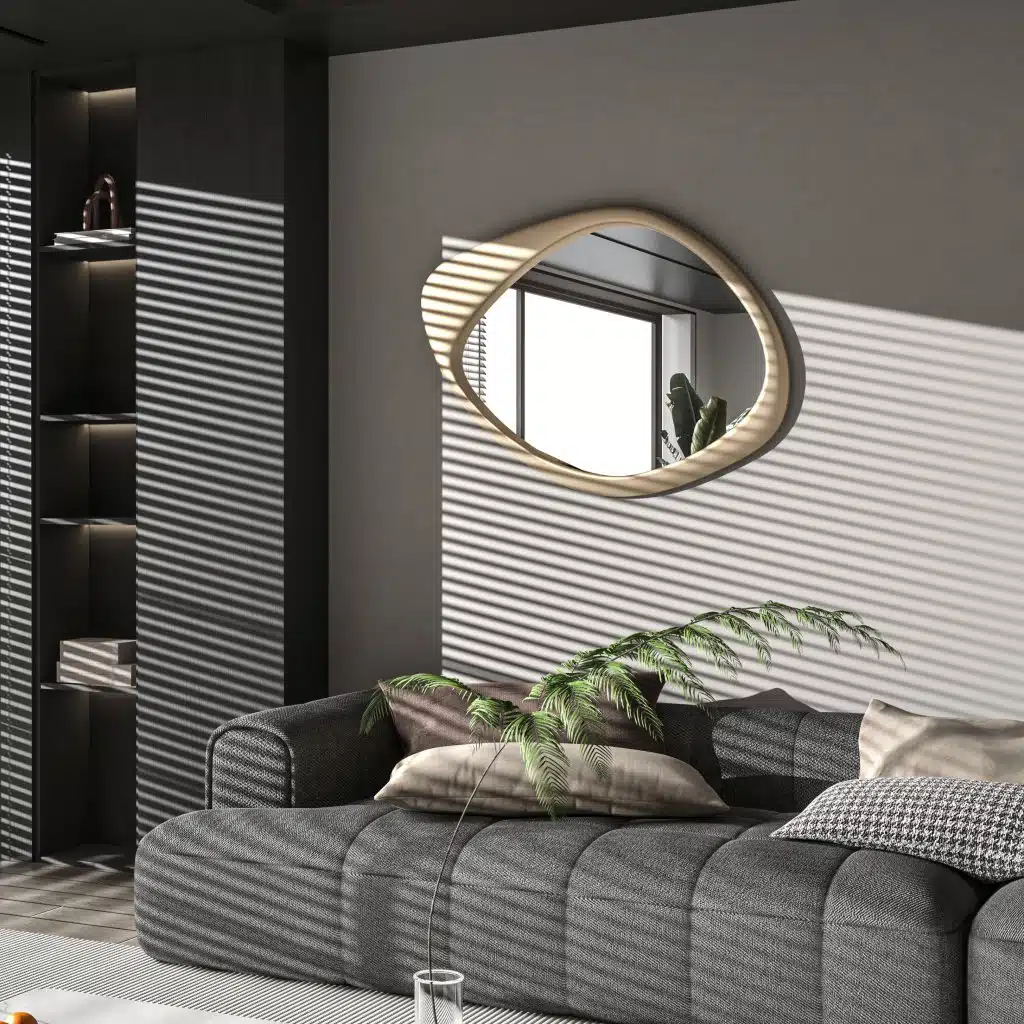
- Place a large mirror above a sofa or sideboard
- Use it as an alternative to artwork on feature walls
- Choose handcrafted frames to elevate the room’s style
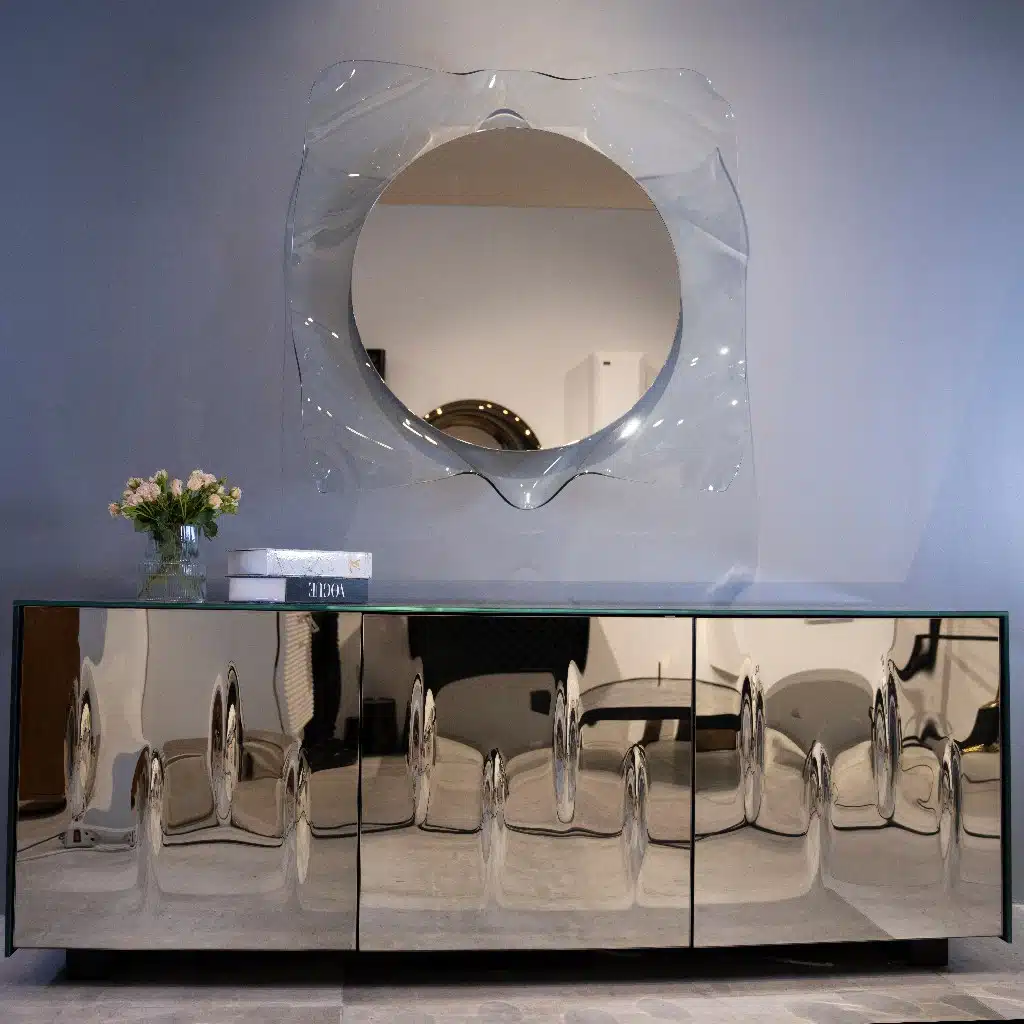
Large living room mirrors add elegance while reflecting light and focal points such as fireplaces or windows.
Hallways and Entrance Areas
Hallways are often narrow and underlit, making them ideal spaces for large mirrors.
Why designers use them here:
- They open up tight spaces
- They reflect light into darker corridors
- They create a strong first impression
A tall vertical mirror can visually increase ceiling height, while a wide mirror adds breadth to narrow hallways.
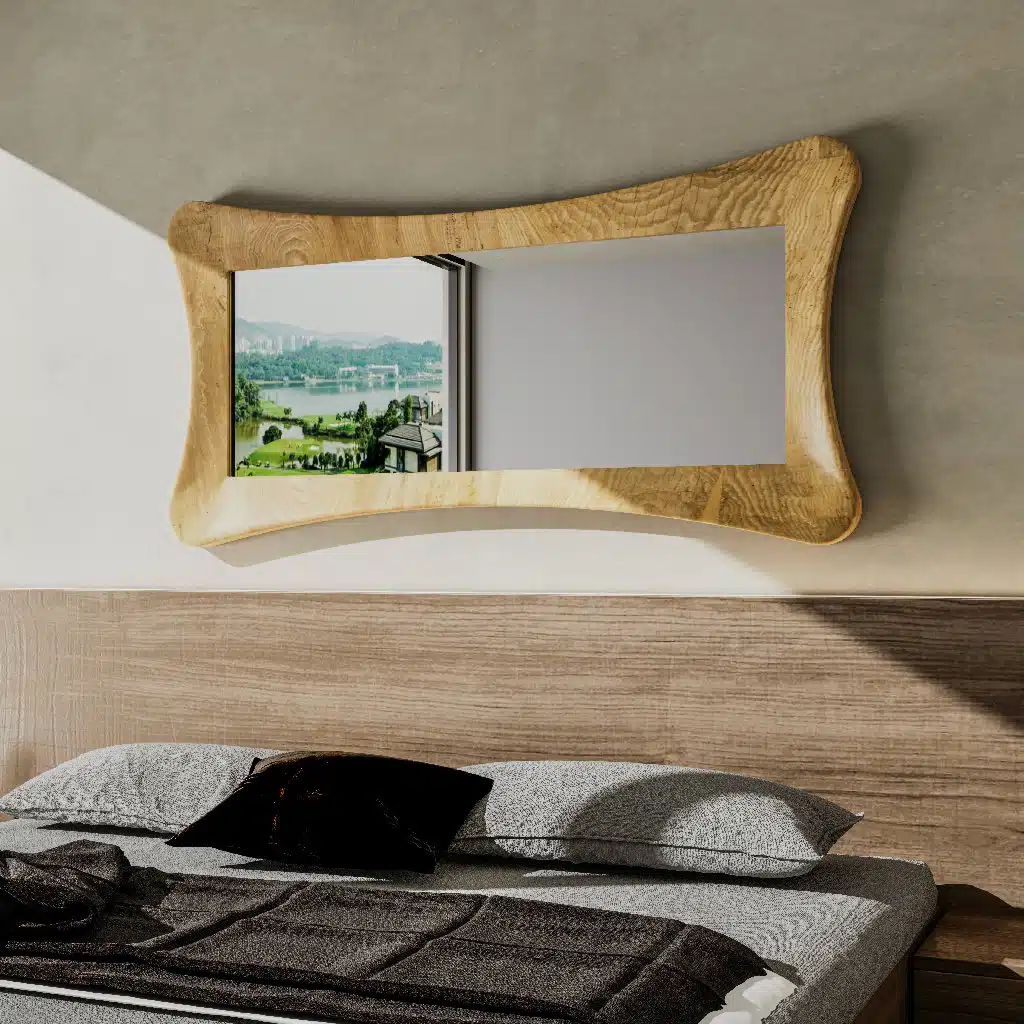
Bedrooms
Large mirrors in bedrooms combine functionality with refined design.
Popular placements:
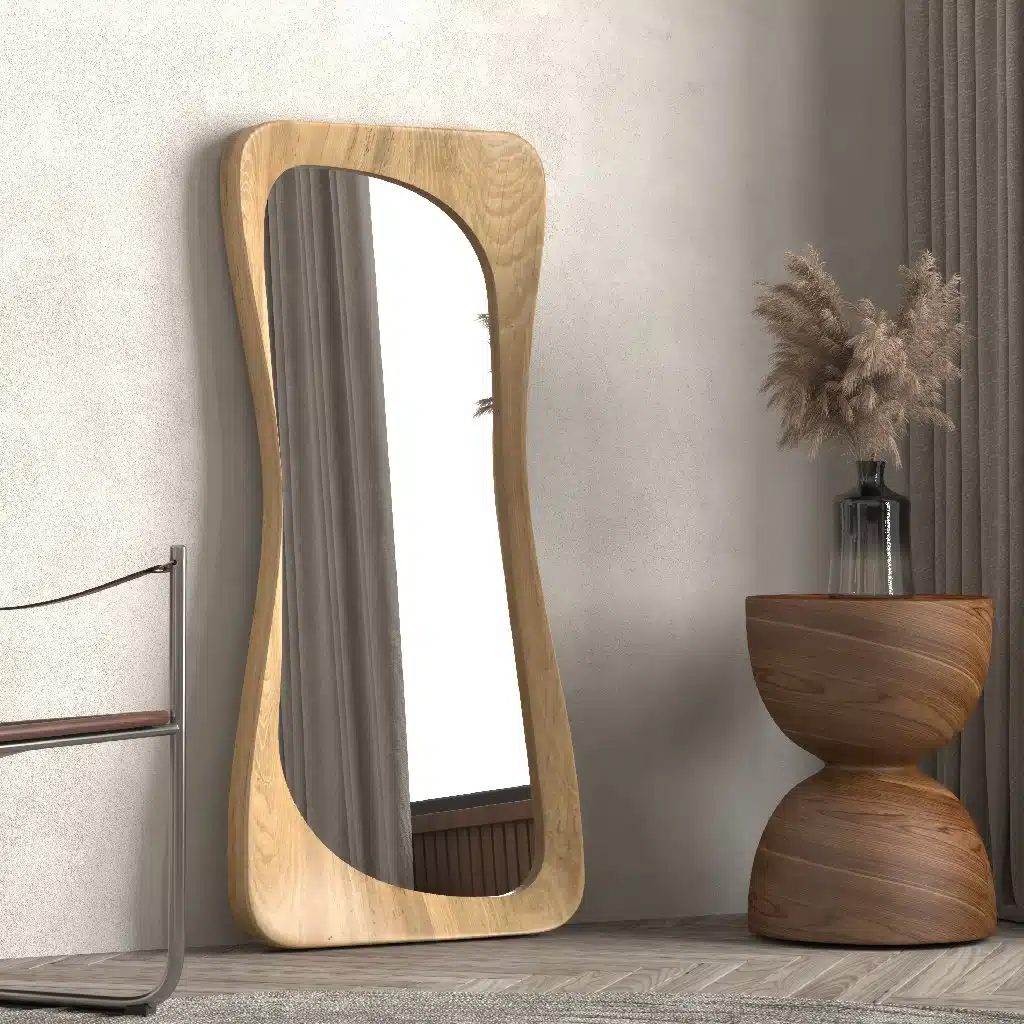
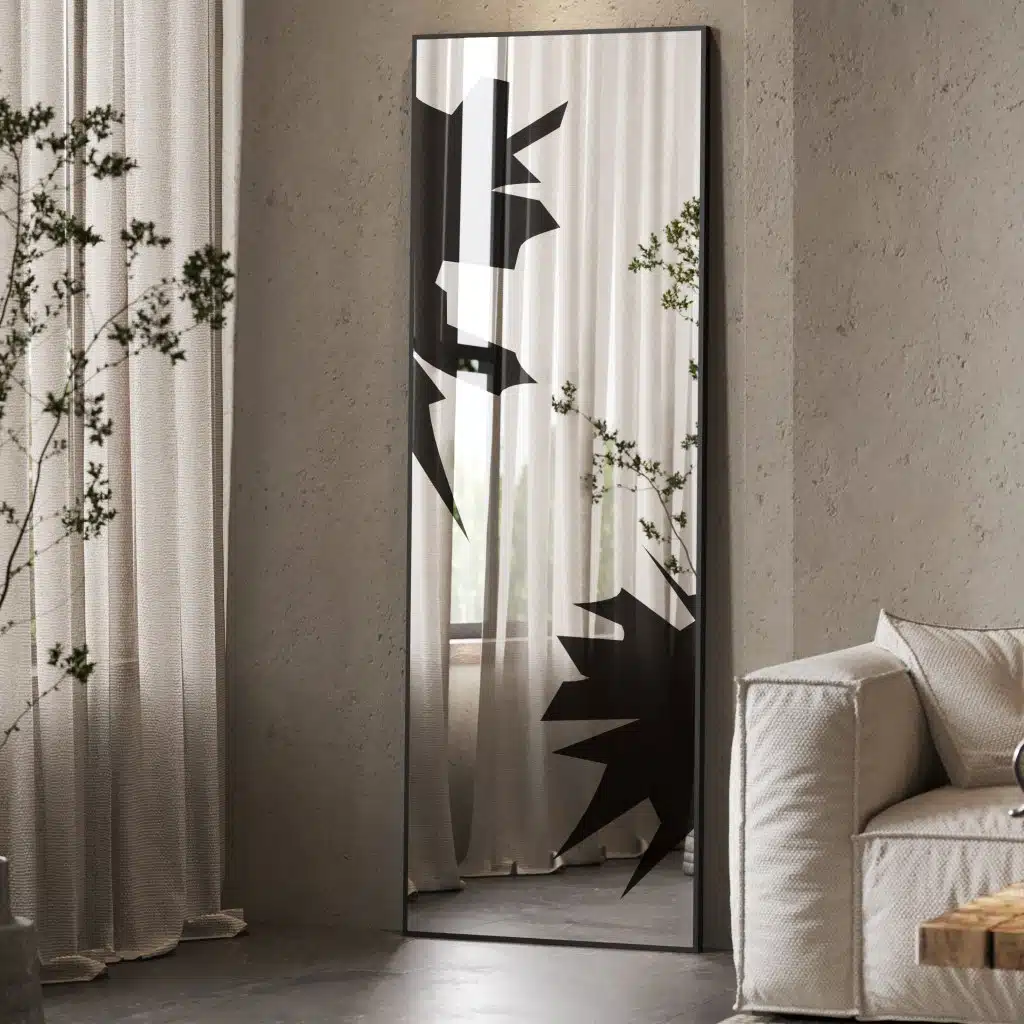
- Leaning against a wall near wardrobes
- Mounted above a chest of drawers
- Used as full-length dressing mirrors
Designers often opt for softer shapes or subtle frames to maintain a calm, restful atmosphere.
Dining Rooms
In dining rooms, large mirrors enhance both light and ambience.
Placed near dining tables or opposite statement lighting, they reflect candlelight and chandeliers, creating a luxurious and inviting setting for entertaining.
Choosing the Right Size: Designer Guidelines
Size is critical when selecting a large mirror.
General Rules Designers Follow
- The mirror should relate proportionally to the wall
- Oversized mirrors work best when allowed visual breathing space
- Width should typically be two-thirds or more of the furniture below
A mirror that is too small will feel underwhelming, while one that is appropriately scaled becomes a focal point.
Shapes That Work Best for Large Mirrors
Rectangular Large Mirrors
Classic and versatile, rectangular mirrors suit almost any interior style. Designers favour them for clean, structured spaces.
Arched Large Mirrors
Arched mirrors add softness and architectural elegance. They work particularly well in living rooms, hallways, and spaces with high ceilings.
Asymmetrical Large Mirrors
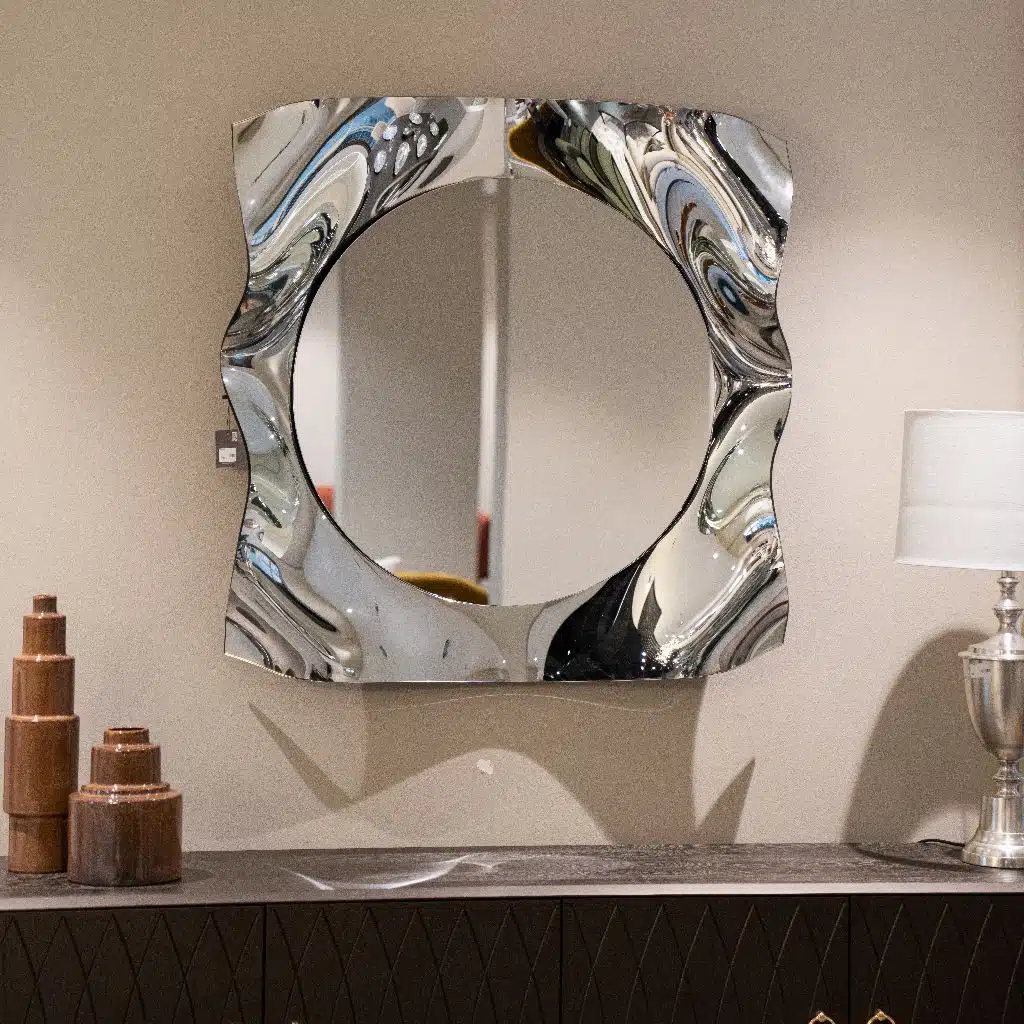
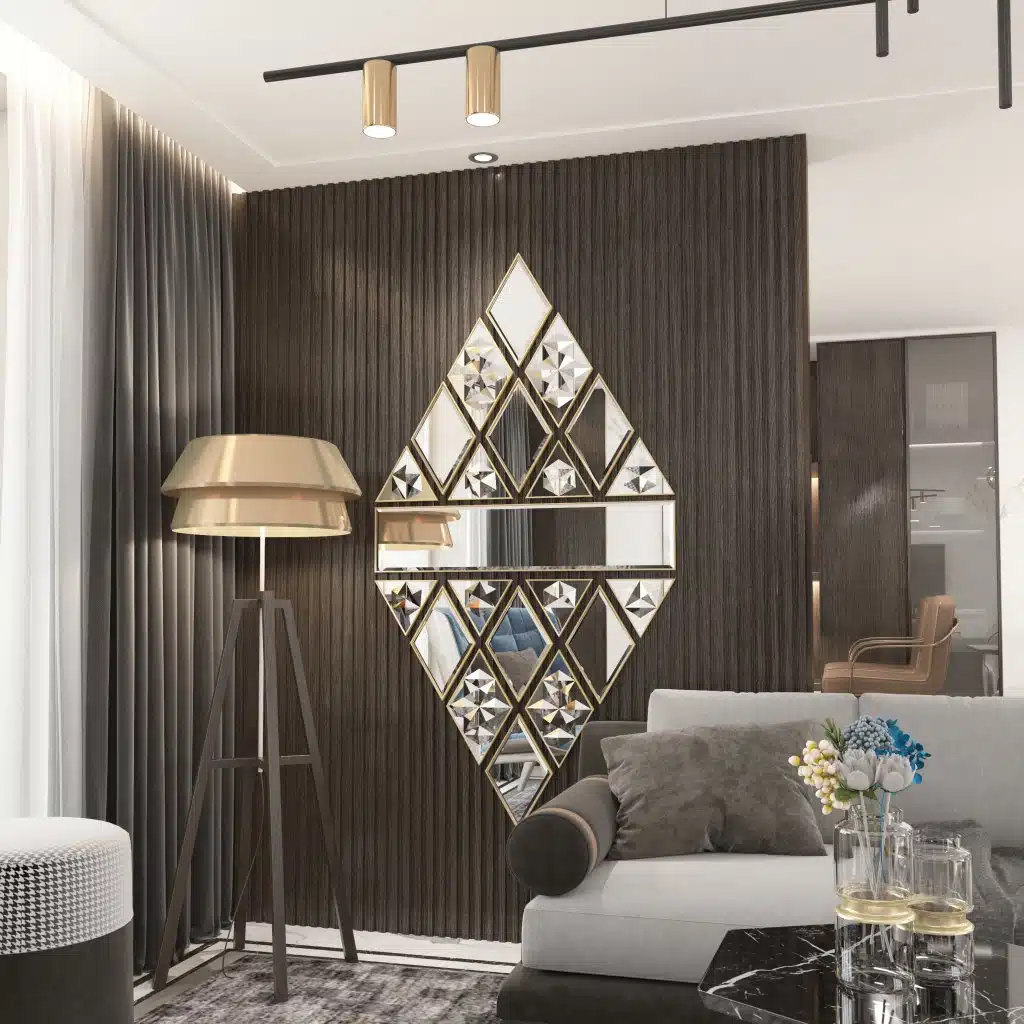
Used in contemporary interiors, asymmetrical mirrors introduce movement and artistic expression.
Framed vs Frameless Large Mirrors
Frameless Large Mirrors
- Minimal and modern
- Ideal for contemporary interiors
- Emphasise reflection and space
Framed Large Mirrors
- Add warmth and texture
- Available in wood, metal, or bespoke finishes
- Preferred for luxury and classic interiors
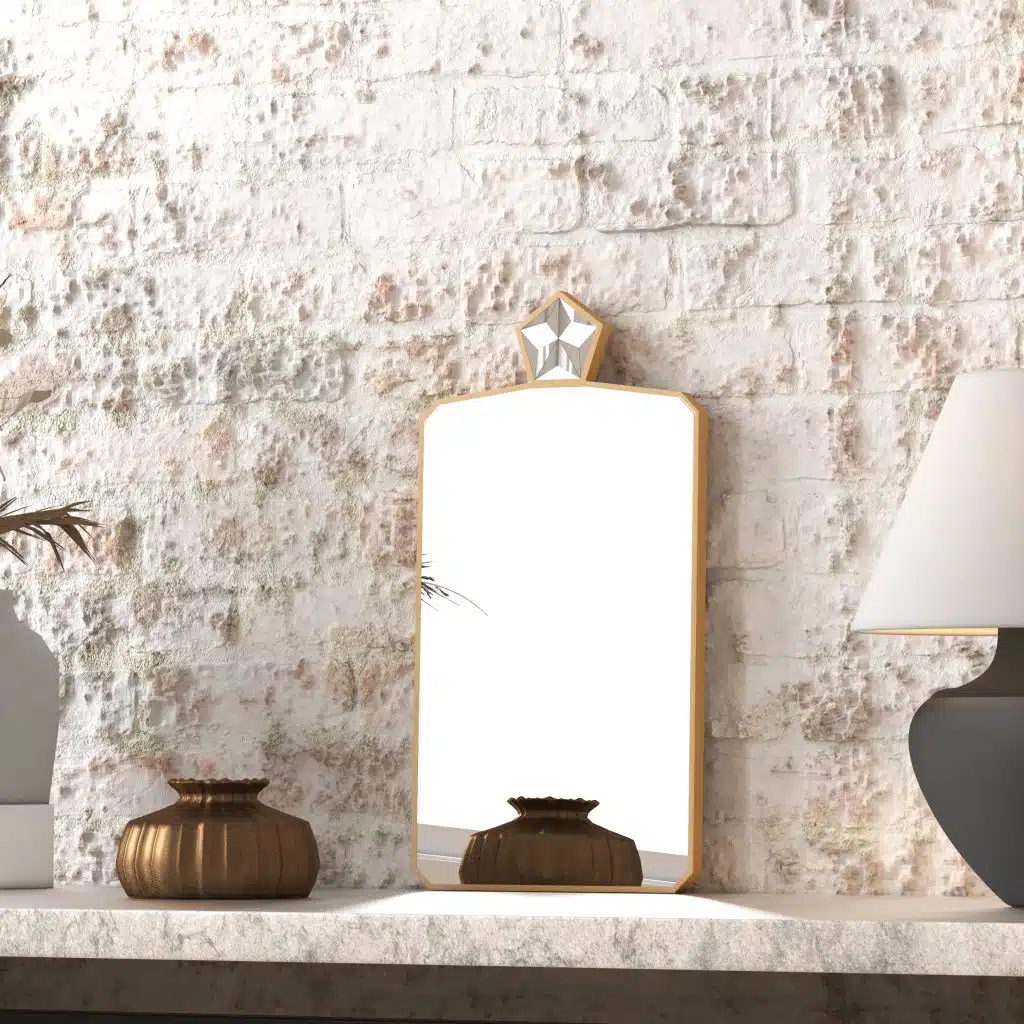
Handcrafted frames elevate large mirrors into true design features.
Leaning vs Wall-Mounted Large Mirrors
Leaning Mirrors
- Relaxed, modern aesthetic
- Ideal for bedrooms and living rooms
- Require sufficient floor space
Wall-Mounted Mirrors
- Clean, secure, and architectural
- Perfect for hallways, dining rooms, and formal spaces
Designers choose based on room layout, ceiling height, and desired style.
Using Large Mirrors to Create Balance
Designers use mirrors to balance heavy furniture, blank walls, and asymmetrical layouts.
A large mirror can visually anchor a room, providing harmony between architectural elements and furnishings.
Common Mistakes Designers Avoid
- Choosing a mirror that is too small for the wall
- Placing mirrors where they reflect clutter
- Ignoring proportions between mirror and furniture
- Using poor-quality materials that distort reflections
Quality and placement are just as important as size.
Why Handmade Large Mirrors Make a Difference
Handmade large mirrors stand apart in both appearance and durability.
Key benefits:
- Superior craftsmanship
- Attention to detail
- Unique finishes
- Long-lasting quality
For luxury interiors, designers often favour handcrafted mirrors that feel intentional and timeless rather than mass-produced.
Final Thoughts
Large mirrors are one of the most transformative elements in interior design. When chosen thoughtfully, they enhance light, create space, and elevate the overall aesthetic of a home.
Whether used as statement pieces or subtle architectural features, large mirrors offer unmatched versatility and elegance—especially when crafted with care and expertise.